
How to Build a Comfortable Sleep System for Camping
Trailvora Journal · Sleep Systems
How to Build a Comfortable Sleep System for Camping
A good night outdoors starts long before you climb into your sleeping bag. The right sleep system combines insulation, support, warmth, and comfort in a way that matches your destination, weather, and sleeping habits.
Whether you are setting up beside a lake, camping in the mountains, or spending a weekend at a forest campground, a well-planned sleep system can make the difference between waking up refreshed and spending the night adjusting your gear.
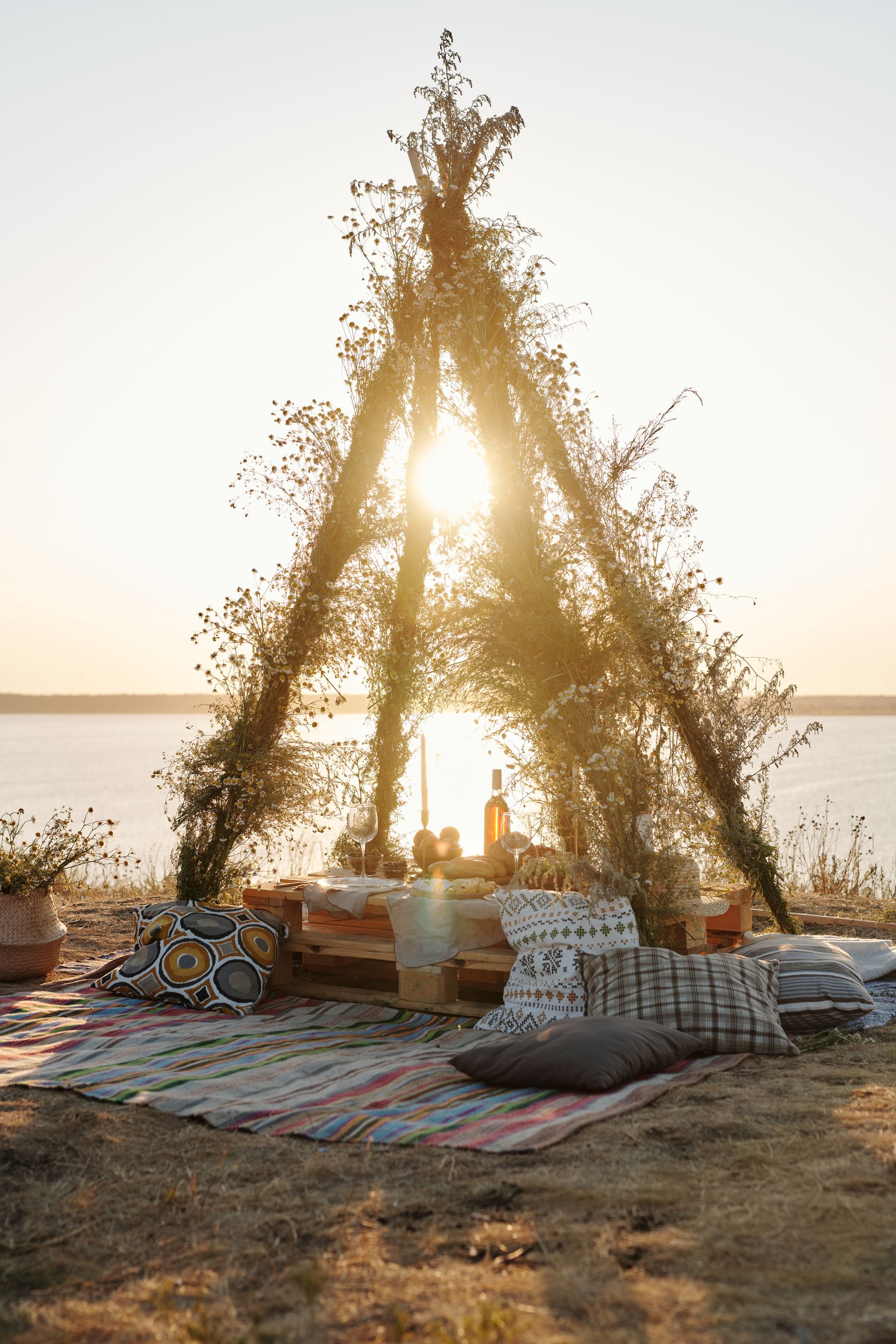
The foundation
Three layers shape the way you sleep outdoors
Comfort comes from several pieces working together rather than relying on one item to solve every part of the night.
Support from the ground up
A sleeping pad or camping mat creates cushioning while helping separate your body from the ground beneath the tent.
Ground layer
Warmth that matches the trip
Your sleeping bag should suit the expected nighttime conditions, available space, packed size, and the way you naturally sleep.
Warmth layer
Small details that improve rest
A well-chosen pillow and flexible blanket can make a simple tent setup feel considerably more comfortable.
Comfort layer
01 · Ground comfort
Start With the Ground
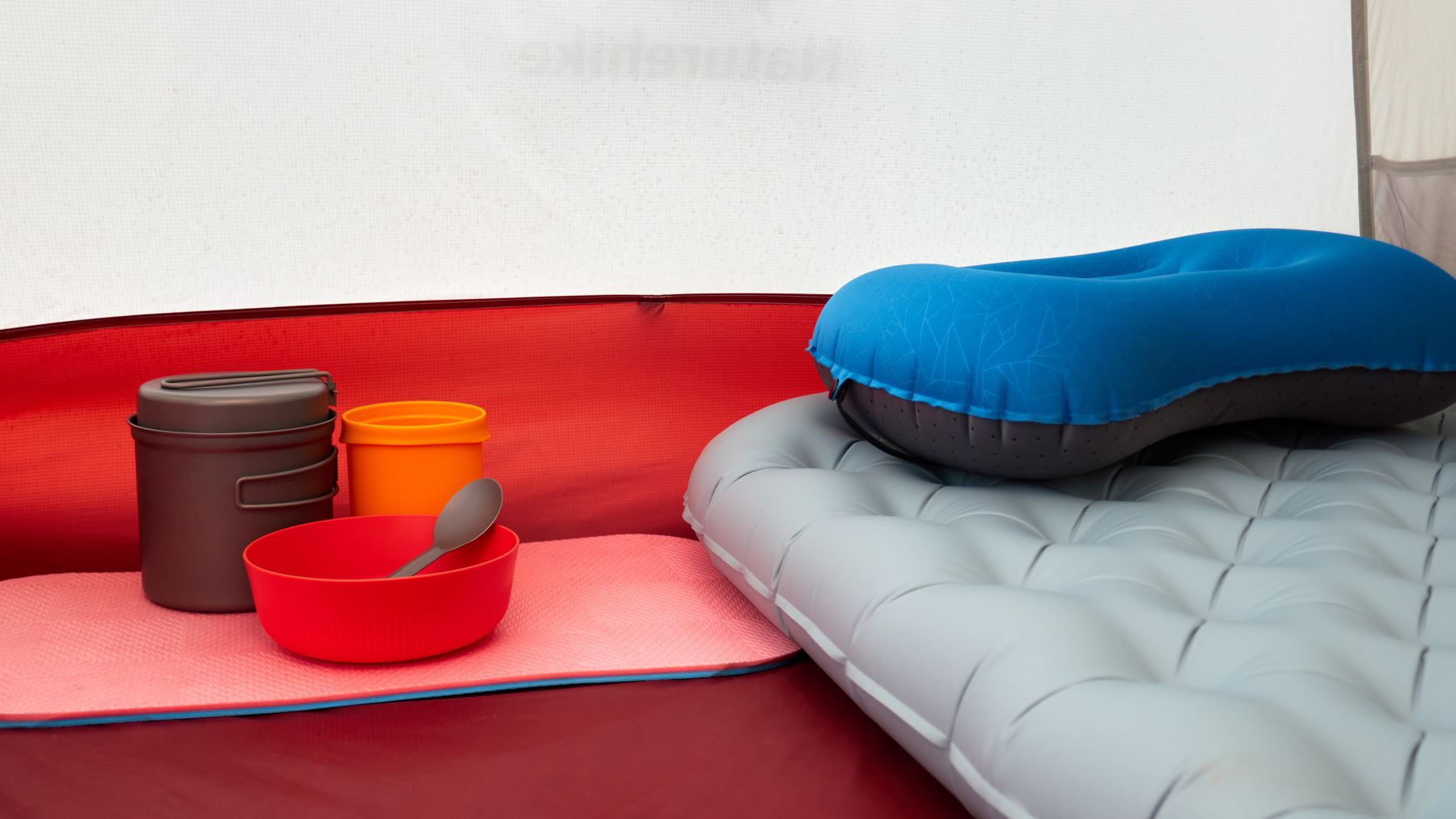
The ground can pull heat away from your body much faster than many campers expect. That is why a sleeping pad or camping mat is one of the most important parts of your setup.
When choosing a sleeping pad, consider three things:
- Insulation: Cooler conditions call for more protection from the ground.
- Thickness: A thicker pad can provide more cushioning on uneven terrain.
- Packability: Compact pads are useful when space and weight matter.
For car camping, comfort may be the priority. For longer hikes or compact setups, a lighter and more packable sleeping pad may make more sense.
02 · Warmth
Choose the Right Sleeping Bag
Your sleeping bag should match the conditions you expect rather than simply being the warmest option available.
Think about expected nighttime temperatures, sleeping bag shape, interior space, packed size, and your personal sleeping temperature.
Mummy-style sleeping bags can feel warmer and more efficient, while roomier designs may be more comfortable for campers who move frequently during the night.
When temperatures may change, layering can offer more flexibility than relying on one heavy piece of gear.
03 · Support
Add a Pillow That Works for You
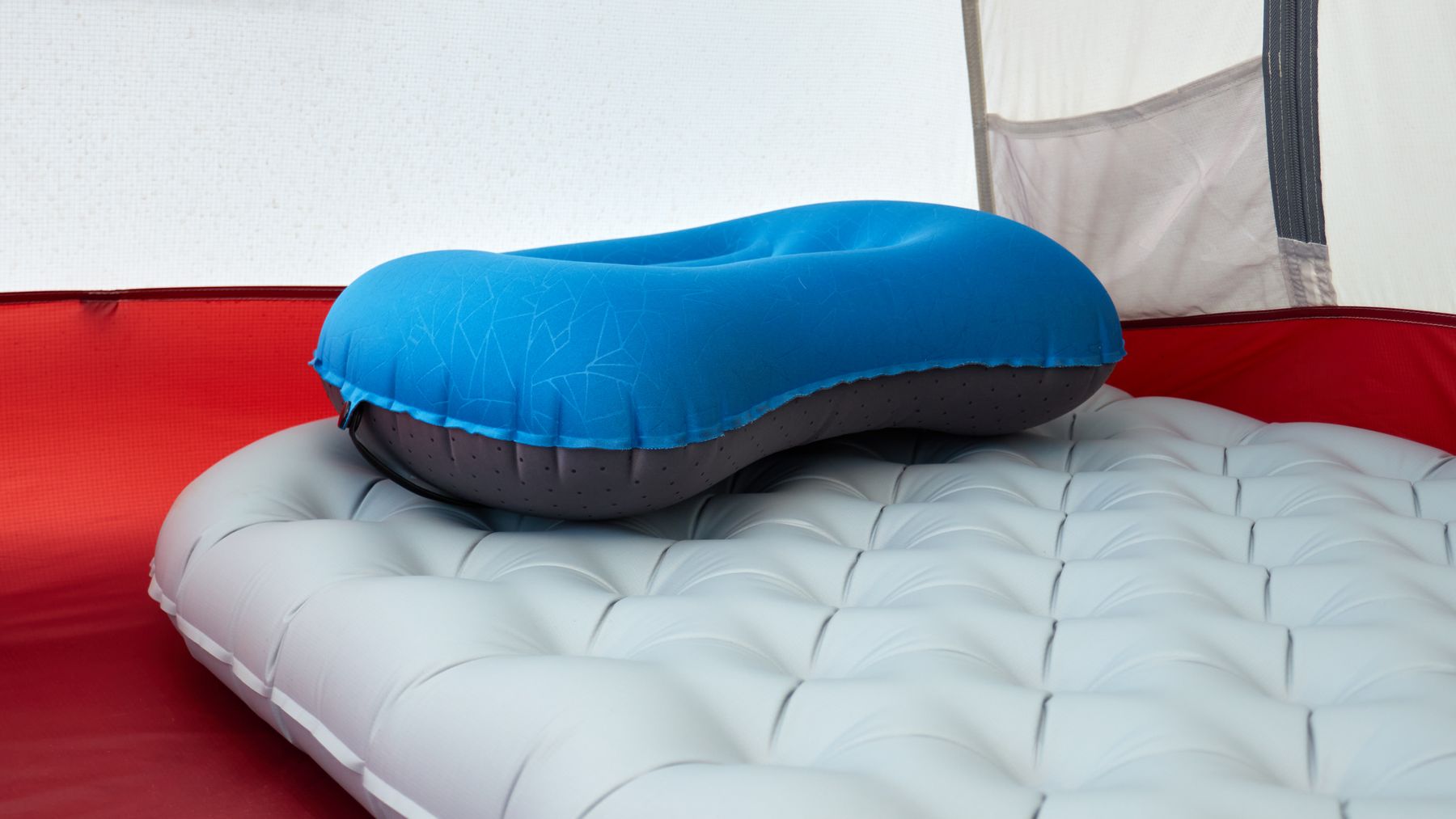
A camping pillow may seem like a small detail, but it can have a surprisingly large effect on comfort.
Some campers prefer compact inflatable pillows, while others enjoy softer compressible designs. Your sleeping position matters too. Side sleepers often prefer more height, while back sleepers may be comfortable with a lower-profile pillow.
The goal is simple: keep your head and neck in a natural position without adding unnecessary bulk to your gear.
04 · Flexible comfort
Use Blankets for Flexible Warmth
Camping blankets are useful because they can serve several purposes throughout the trip.
They can add warmth inside a tent, work as an extra layer over a sleeping bag, provide comfort around the campsite, or help create a softer sleeping surface.
Instead of treating a blanket as an optional luxury, think of it as a flexible part of your overall camp setup.
05 · Campsite setup
Keep Your Sleeping Area Dry
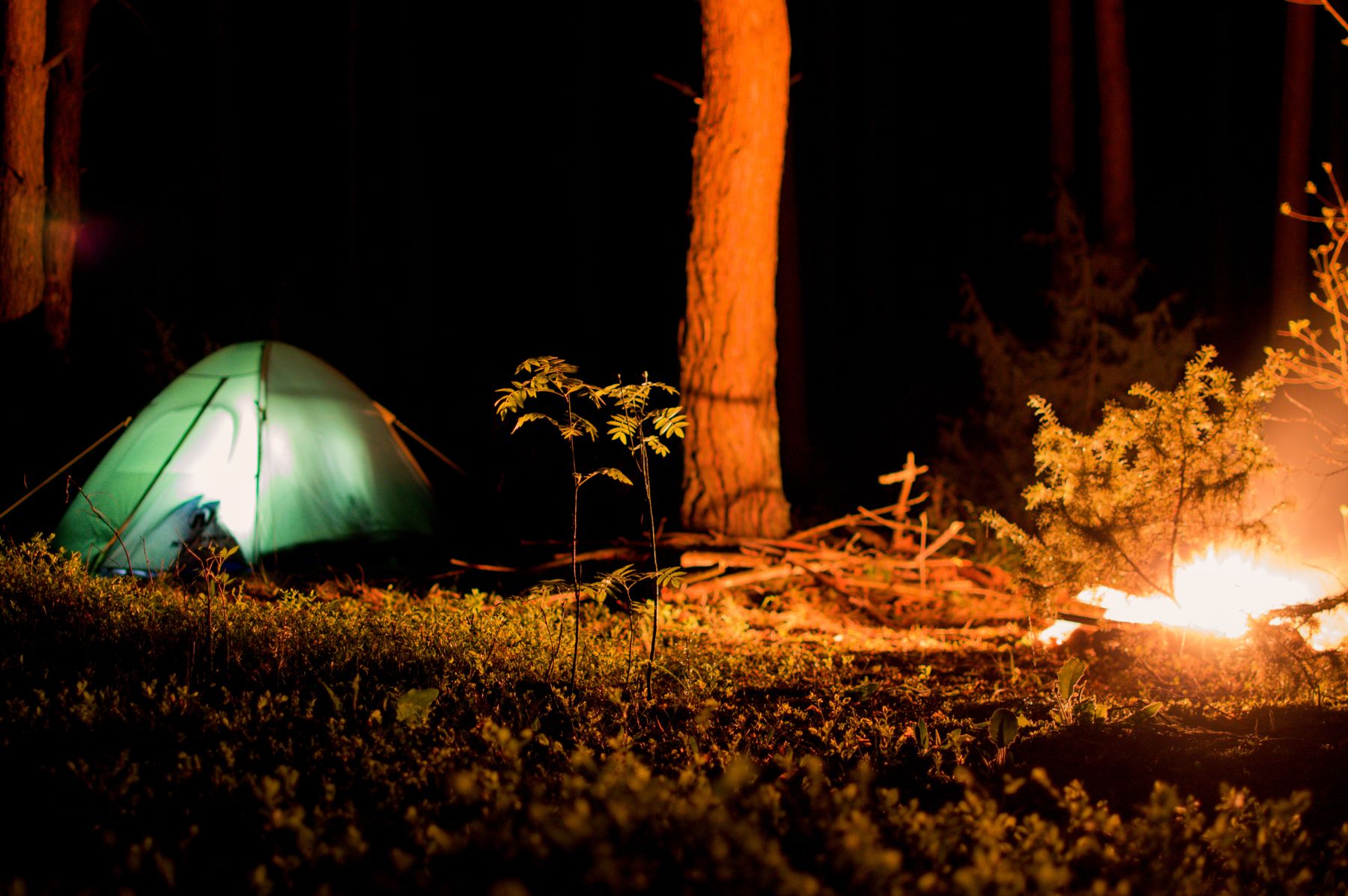
Even comfortable gear becomes unpleasant when moisture enters the sleeping area.
- Choose level ground when possible.
- Avoid low areas where water may collect.
- Keep wet clothing and footwear away from your sleeping gear.
- Allow sleeping bags and blankets to air out during longer trips.
A dry sleeping environment usually feels warmer and more comfortable.
06 · Build around the trip
There is no single perfect sleep system for every camper
The most useful setup is the one that reflects how and where you actually travel.
01 / SUMMER
Keep simple trips simple
A summer campground setup may only require a sleeping pad, sleeping bag, and pillow.
Simple foundation02 / COOLER TRIPS
Add warmth where it matters
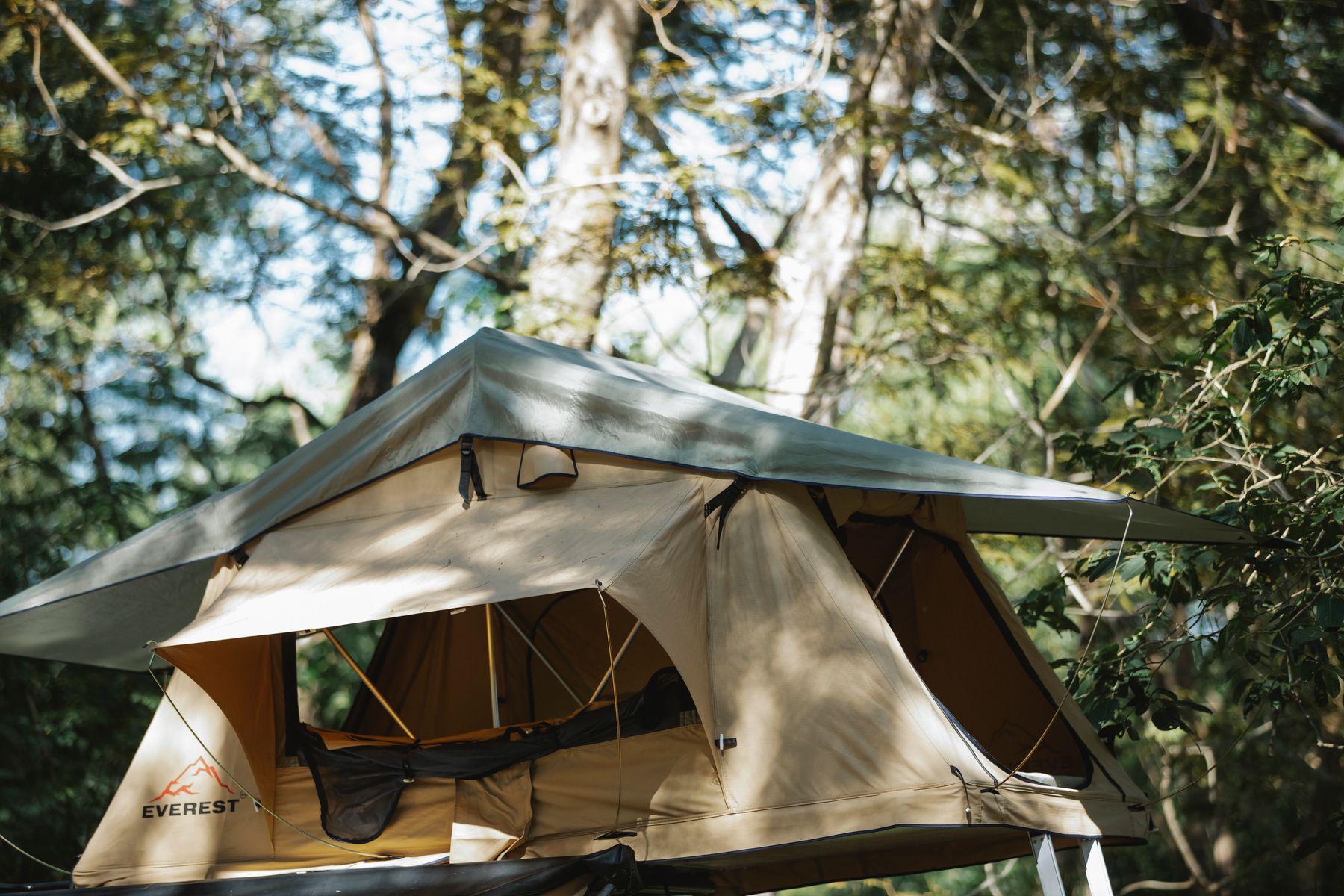
Cooler trips may benefit from additional insulation, blankets, and a more protective shelter.
Adapt to conditions03 / YOUR ROUTINE
Build around the way you travel
Comfort, packed size, and flexibility should reflect whether your setup is designed for a campground, a compact trip, or changing conditions.
Make it practicalFinal thoughts
Comfort outdoors comes from a system, not a single piece of gear
Start with a supportive sleeping pad, choose a sleeping bag suited to the expected conditions, add a pillow that fits your sleeping style, and keep an extra layer available when needed.
A thoughtful sleep system helps turn your tent into a place where you can genuinely rest before the next day outdoors.
Prepare for better nights outdoors
Build a camping setup around the way you travel
Explore Trailvora outdoor gear for shelter, sleep comfort, campsite organization, cooking, lighting, portable power and more.