
How to Choose the Right Tent for Your Camping Style
Trailvora Journal · Shelter Guide
How to Choose the Right Tent for Your Camping Style
Your tent is one of the most important parts of your camping setup. It creates your sleeping space, protects your gear, and becomes the center of camp once the day winds down.
But the right tent for a relaxed campground weekend may be very different from the right tent for a compact solo trip. Choosing well starts with understanding how you camp.
01 · Start with space
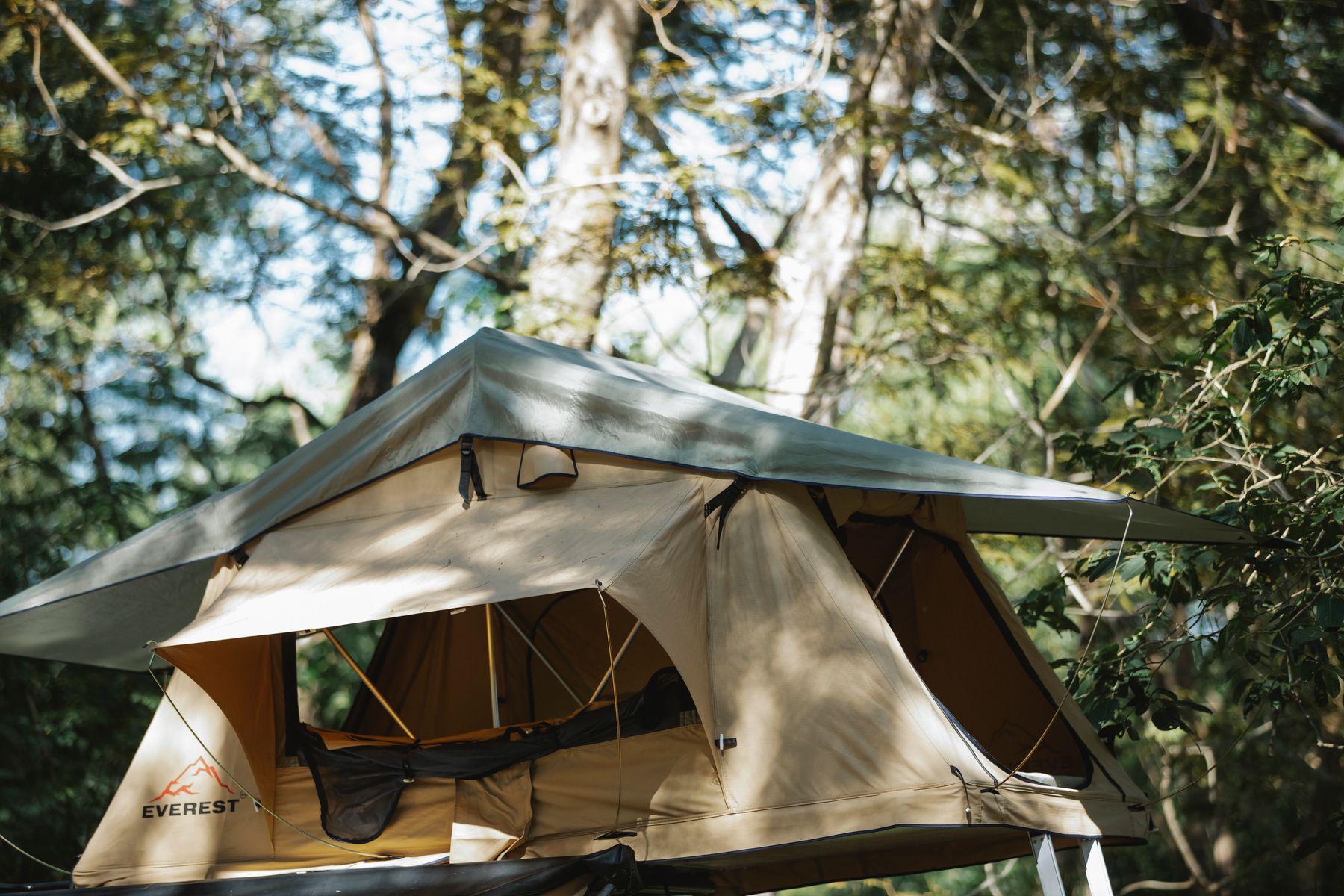
Consider How Many People Will Sleep Inside
Tent capacity is a useful starting point, but it should not be the only consideration. A tent designed for two people may technically fit two sleeping bags, but campers who want extra room for gear may prefer more interior space.
How many people will sleep inside?
Start with real sleeping space rather than the label alone.
Will backpacks or equipment stay in the tent?
Gear storage can quickly reduce usable sleeping space.
Do you want room to change or organize gear?
Extra floor area can make longer stays much more comfortable.
Will you carry additional sleeping equipment?
Comfort often comes from allowing a little more room than the minimum.
02 · Travel style
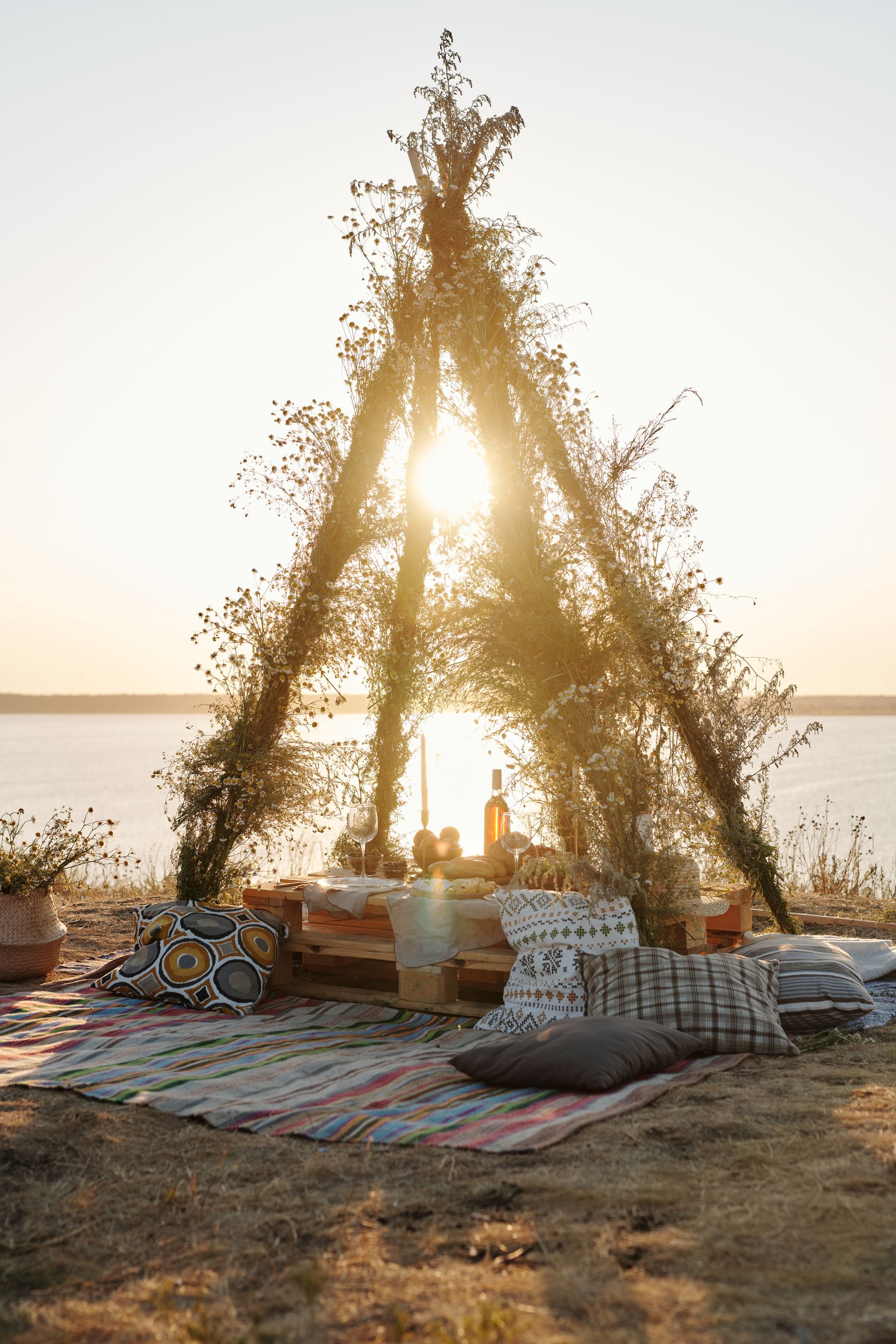
Think About Your Camping Style
Your typical trip should guide the design you choose. The priorities of a car camper are often very different from those of a solo camper or a group staying in one place for several days.
Interior space, packed size, setup speed, storage and livability all matter differently depending on how you reach camp and how often you move.
The goal is to choose a shelter that supports your routine instead of forcing your routine to adapt to the tent.
Camping styles
Different trips create different priorities
Prioritize comfort
Interior space and comfort may matter more than packed size.
More room to settle inKeep the shelter manageable
A smaller shelter can be easier to manage and organize.
Compact setupCreate usable living space
More floor area and practical entry points can make daily use easier.
Shared comfortValue quick setup
Quick setup and pack-down can be especially convenient.
Move efficientlyThink about livability
Storage space and comfort become more important over several days.
Stay organized03 · Interior height
Look at Interior Height
Floor space is only part of the comfort equation. A taller tent can feel much more spacious, especially when changing clothes, sitting inside during bad weather, or spending several nights in the same location.
Campers who value comfort at established campsites may prefer more headroom, while those prioritizing compact gear may accept a lower profile.
04 · Setup simplicity
Consider Setup Simplicity
A tent should fit the way you actually travel. If you frequently arrive at camp late in the day or move locations often, a straightforward setup can save time and frustration.
Before a trip, become familiar with the poles, clips, stakes and rain protection rather than opening the tent for the first time at camp.
05 · Airflow
Think About Ventilation
Air movement is an important part of tent comfort. Ventilation can help reduce the feeling of stuffiness and improve comfort during warmer nights.
Look at how doors, windows, mesh panels and vents are arranged. The right configuration depends on your expected climate and personal preference.
Ventilation is one of those details that may seem secondary while shopping but can strongly affect how a shelter feels once you are inside it.
06 · Shelter system
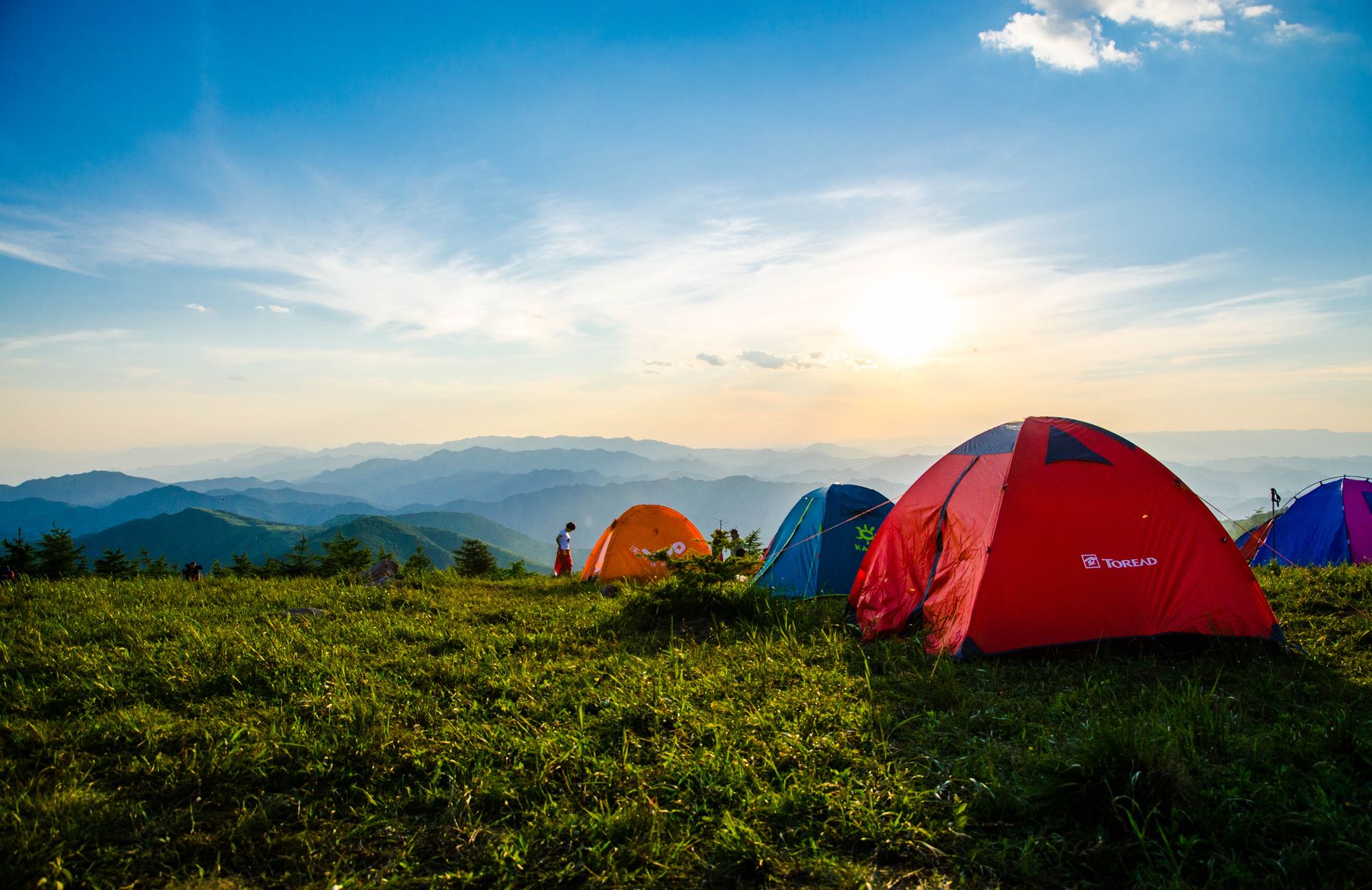
Plan the Area Around the Tent
Your shelter system can include more than the tent itself. Tarps and sun shelters can create additional protected space for cooking, sitting, organizing gear, or relaxing outside the sleeping area.
This can be especially useful when several people are sharing a campsite.
08 · Space vs packability
Balance Space and Packability
Larger tents are often more comfortable, but they also require more storage space. Smaller tents are easier to transport but may provide less room inside.
There is no universal answer. The ideal balance depends on whether you are driving to camp, hiking with your gear, traveling with family, or moving camps frequently.
07 · Site selection
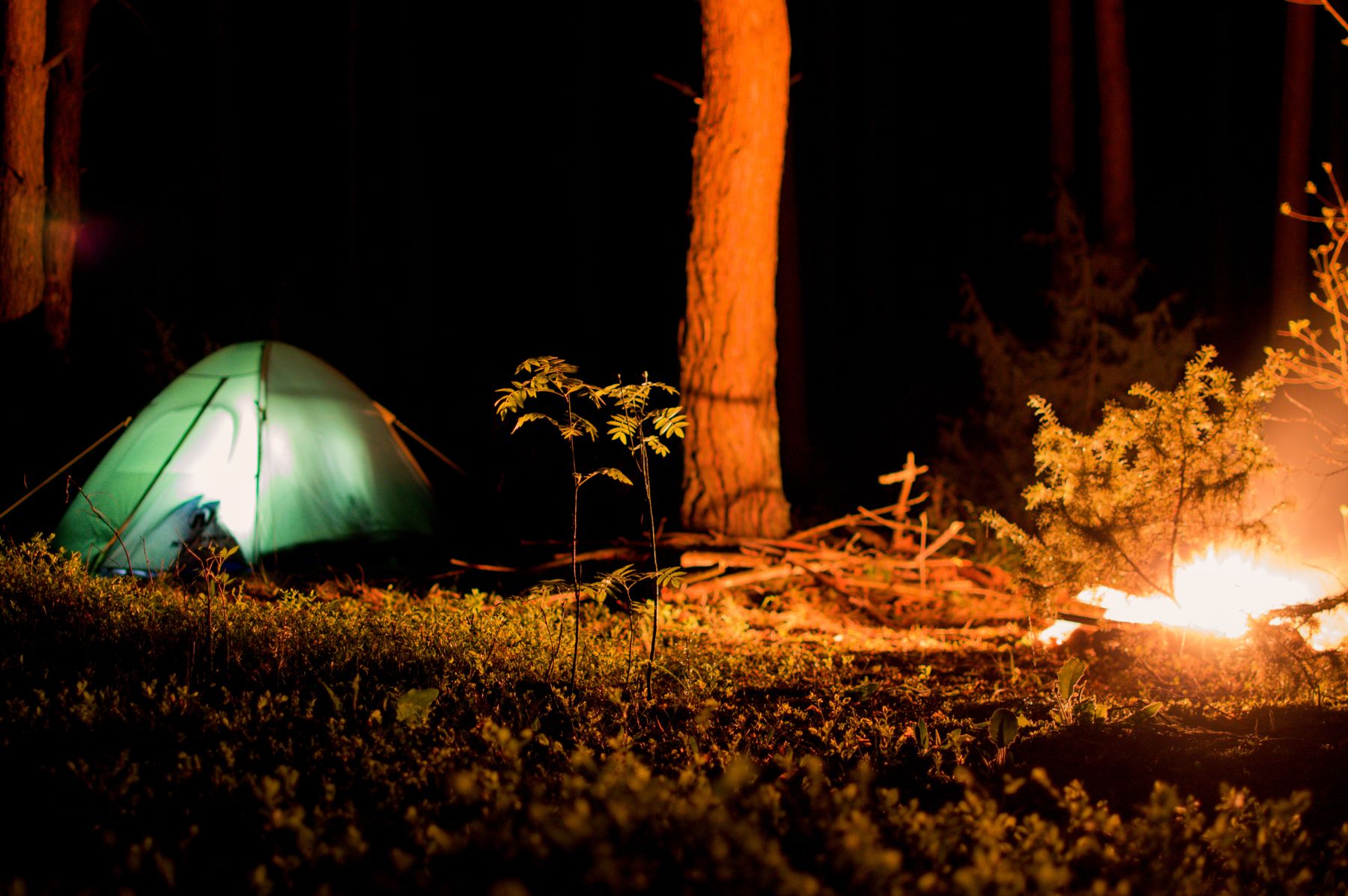
Choose the Campsite Carefully
Even a well-designed tent performs better when placed thoughtfully.
- Look for level ground.
- Clear sharp objects from the sleeping area.
- Avoid obvious drainage paths.
- Consider wind direction.
- Keep enough space around the tent for movement and guy lines.
A few minutes spent choosing the right location can improve the entire campsite.
Final thoughts
Choose a tent around the way you live at camp
Choosing a tent is easier when you stop thinking only about capacity and start thinking about how you live at camp.
Consider the number of campers, sleeping gear, storage needs, setup frequency, interior height, and the environment you expect to encounter. The right tent should make camp feel organized, comfortable, and easy to settle into.
Trailvora Shelter & Camping Gear
Build a shelter setup that fits your next trip
Explore Trailvora tents, sleep systems, camp furniture, lighting and outdoor essentials for practical campsite preparation.