
Portable Power for Camping: How to Choose the Right Setup
Trailvora Journal · Portable Power
Portable Power for Camping: How to Choose the Right Setup
Portable power has become a useful part of modern camping, especially for travelers carrying phones, cameras, lights, laptops, navigation equipment, or other rechargeable devices.
The challenge is not simply choosing the largest power station available. A better approach is to understand what you plan to power, how long you will be away, and how often you can recharge.
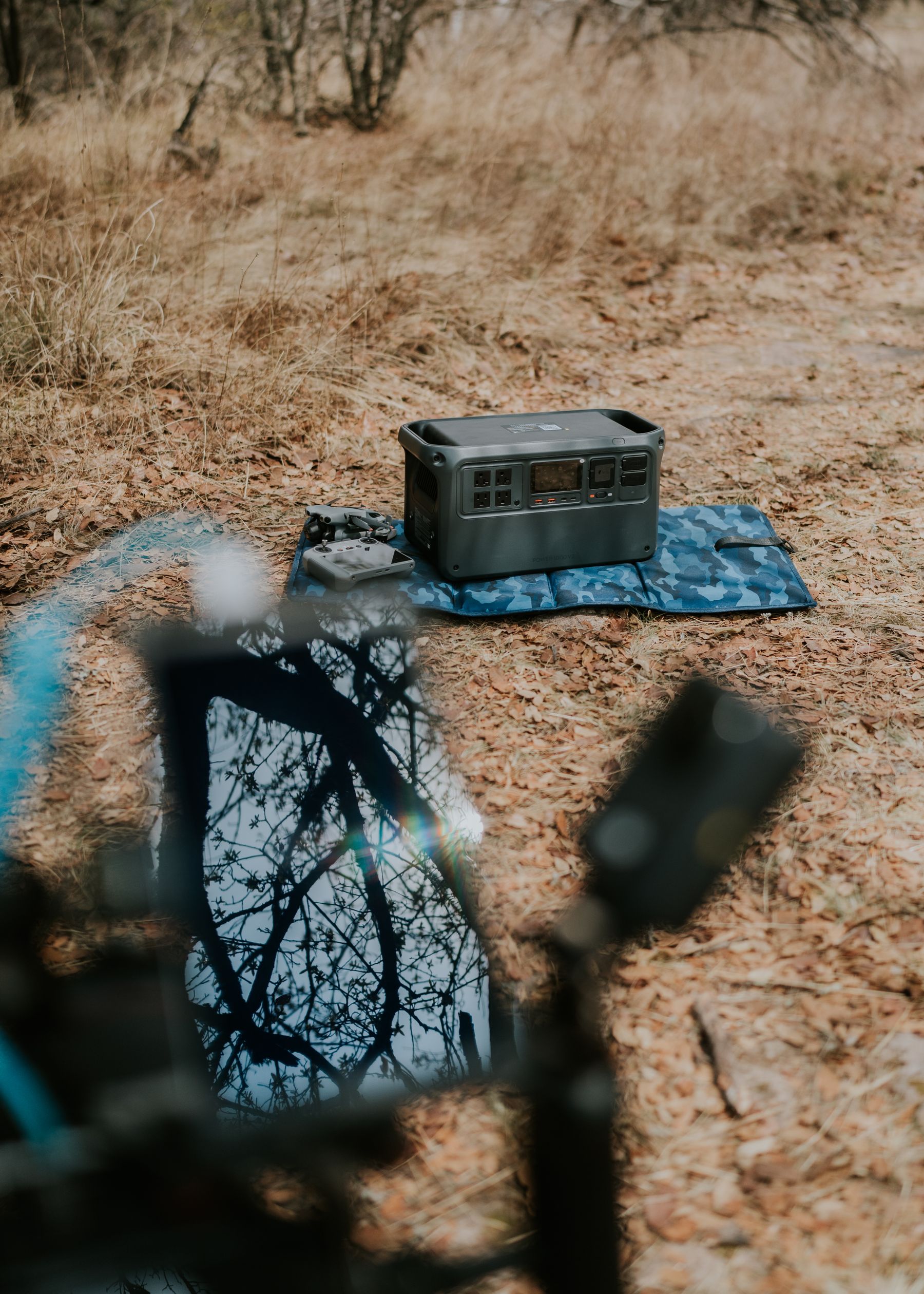
01 · Start with what matters
Start With Your Essential Devices
Before looking at battery capacity, make a list of the devices you expect to use. Separate your equipment into essentials and optional items. This helps prevent buying more power capacity than your trip actually requires.
Personal Electronics
Smartphones, tablets and cameras often form the core of a simple campsite charging plan.
Daily essentialsCamp Lighting
Headlamps and camping lanterns can require regular charging across longer stays.
After-dark useWork & Navigation
Laptops and navigation equipment can raise daily power requirements significantly.
Higher demand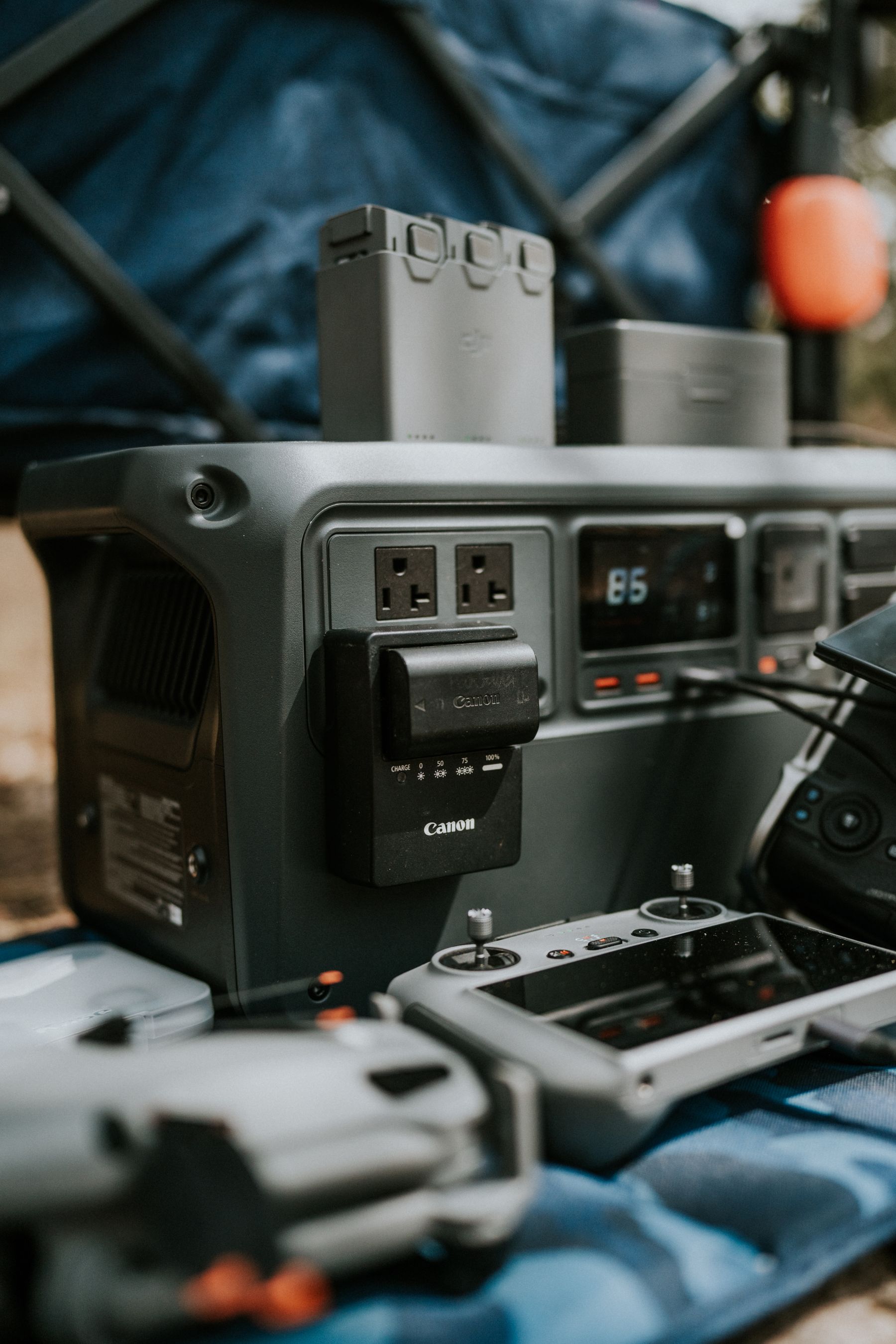
02 · Capacity
Understand Battery Capacity
Portable power stations are commonly described using watt-hours. In simple terms, a larger watt-hour rating generally means more stored energy.
For shorter weekend trips, a compact unit may be enough for phones, lights, and cameras. Longer stays, remote work, or larger electrical devices may require more capacity.
Instead of focusing only on the number, ask how your equipment will be used each day.
Plan around real use
Daily charging habits, trip length and the number of people sharing the station are often more useful planning factors than choosing the biggest unit available.
03 · Performance
Pay Attention to Output
Capacity tells you how much energy is stored. Output tells you what the power station can run at one time.
This becomes especially important if you plan to use equipment that draws more power than basic USB devices.
Check the requirements of the equipment you intend to connect and make sure the power station supports them.
04 · Connections
Look at the Available Ports
A practical camping power setup should match the devices you already own.
Useful connections may include standard AC outlets, USB-A, USB-C, DC outputs and wireless charging.
If several people are sharing one power station, having multiple charging ports can make campsite organization much easier.
05 · Recharge planning
Consider How You Will Recharge
Think beyond the first charge. Depending on your trip, you may recharge through several supported sources.
- Wall outlet before departure
- A vehicle
- Compatible solar panels
- Another supported charging source
For longer off-grid stays, recharge flexibility can be just as important as battery capacity.
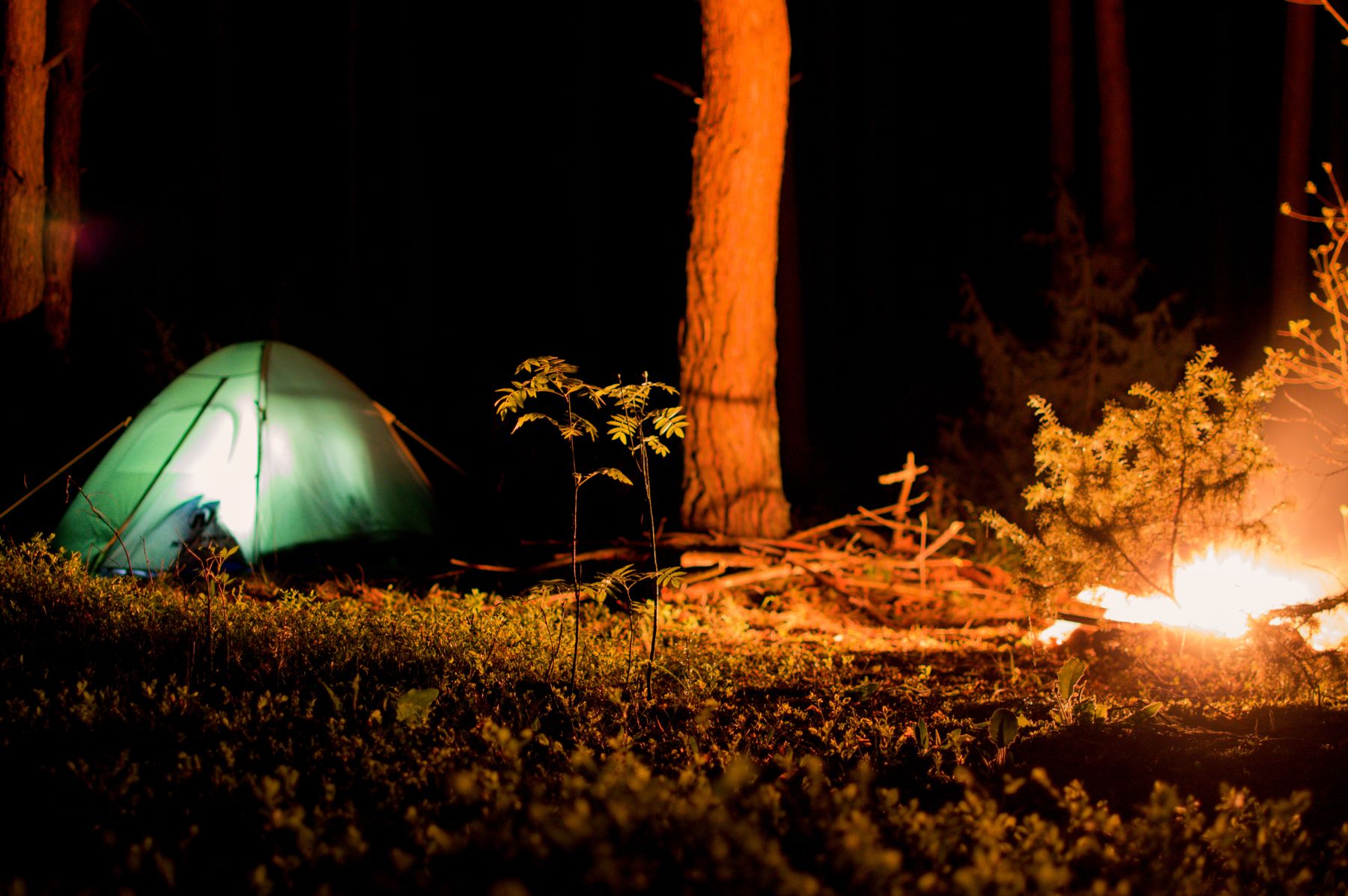
06 · Match the trip
Match the Setup to Your Camping Style
Different types of camping call for different power strategies.
Weekend Campground Trips
A compact unit may be enough for personal electronics and lighting.
Keep it simpleRoad Trips & Car Camping
Extra capacity can support several devices without making portability a major concern.
More flexibilityRemote Work Outdoors
Laptops, mobile hotspots and charging accessories can increase daily power needs.
Plan daily demandLonger Off-Grid Stays
Larger capacity and a practical recharging plan become more important.
Plan recharge options07 · Mobility
Do Not Forget Portability
A high-capacity power station can be useful, but larger units also take up more space and may be heavier to move around camp.
Think about where the unit will be stored, how often it will be moved, and whether you are traveling by vehicle or carrying equipment over distance.
The best portable power station is not necessarily the largest one. It is the one that fits your trip.
Balance
Choose Capacity With Purpose
More capacity can provide flexibility, but it also adds size and weight. Your travel style should determine where that balance sits.
Car camping can support larger systems more easily, while compact trips may benefit from a lighter power strategy.
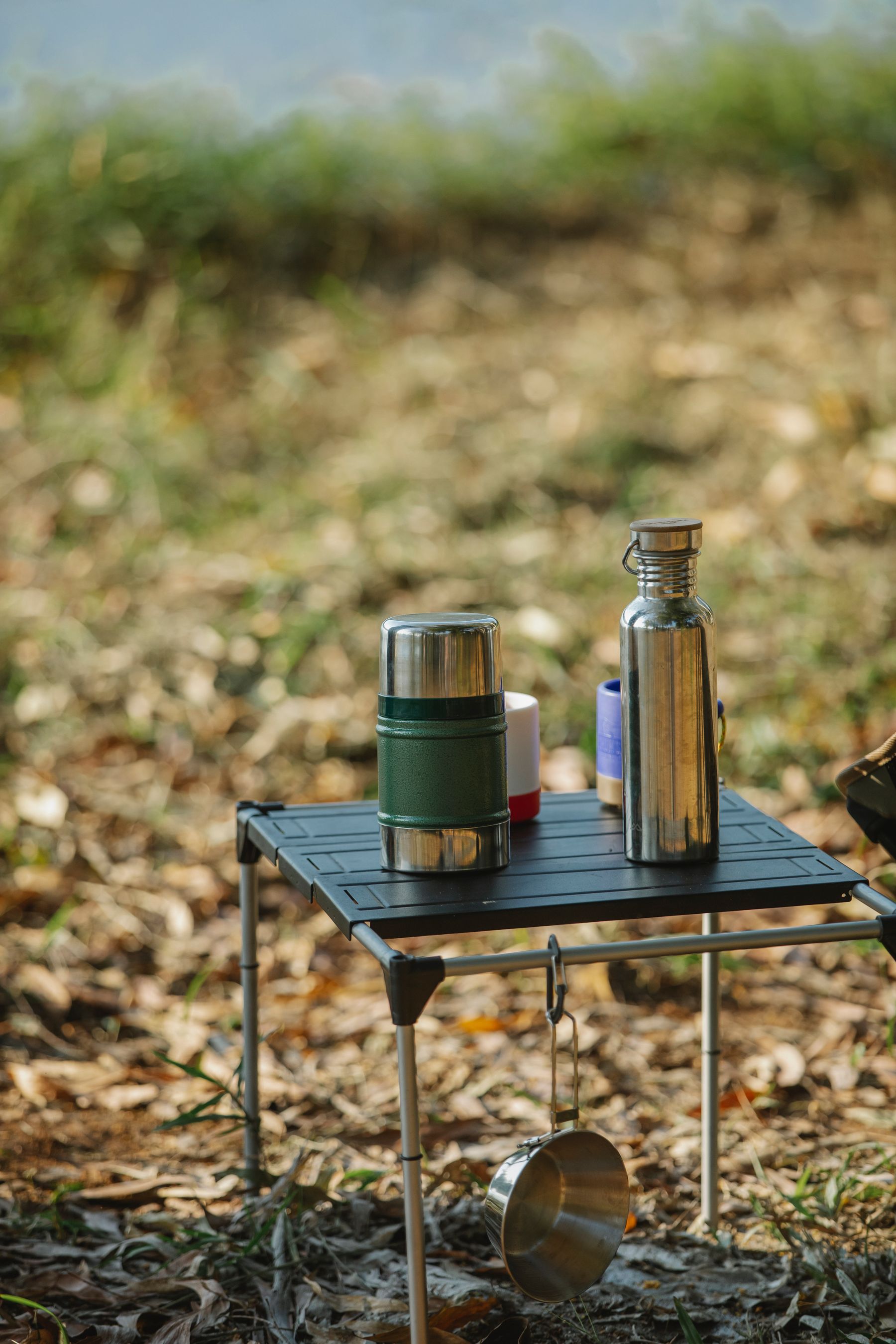
08 · Campsite routine
Keep Power Organized at Camp
Good campsite power management is simple:
- Keep cables organized.
- Store the power station in a suitable location.
- Avoid leaving devices plugged in unnecessarily.
- Charge smaller devices during convenient times.
- Check remaining capacity before relying on power overnight.
This makes your stored energy easier to manage across the trip.
Final thoughts
Choosing portable power for camping is about balance
Estimate what you need to charge, consider how many days you will be away, check the required output, and think about your recharge options.
A properly sized power setup gives you useful energy outdoors without adding unnecessary bulk to your campsite.
Trailvora Outdoor Gear
Prepare your campsite for longer days beyond the city
Explore portable power, lighting, camp furniture, shelter, cooking equipment and practical outdoor essentials.